
Financial marketing talks a big game about “knowing the customer”, then guesses with stale segments and soft proxies. Transaction data ends the guessing. It shows who bought what, where, how often, and for how much.
It is boring in the best possible way: verified spend over clicky vibes. The revenue lift from getting personalisation right is large and consistent, which tells you precision pays while spray-and-pray burns budget.
What we mean by transaction data
Transaction data in the context of financial marketing include card and account-level signals like merchant identity, MCC/category, amount, cadence, channel, and sometimes store-level detail.
When issuers enrich merchant identity and clean categories, the data becomes action-grade for marketing and UX. That’s not optional window dressing; card networks have pushed issuers to display clearer merchant details to cardholders, which nudges the whole stack toward cleaner inputs.
So what's the problem to solve? Marketers built plans around a deprecation timeline that shifted, stalled, then walked back. Either way, cookies remain unstable ground. Payment data doesn’t have that problem. It’s first-party to banks and grounded in real purchases. Treat cookies as a noisy hint; treat transactions as the record of truth you can base your research and features on.
The missing link: targeting, timing, and proof
Transaction data closes three gaps at once:
Targeting: You can build audiences from verified spend, focusing on recency, frequency, monetary value, MCC/category mix, weekday vs weekend patterns, ticket-size bands, channel (wallet vs physical card), share of wallet against competitors, and brand-specific lapse windows. You can exclude already-active offer holders, serial deal-chasers, refund-heavy profiles, dispute-prone cards, or merchants with low auth success. The outcome is smaller, cleaner audiences with higher activation and redemption and a defensible CAC.
Timing: You can target habits. Fire grocery cashback Thursday to Saturday for weekly shoppers, coffee 7–10 a.m., fuel before long-weekend peaks, and travel ancillaries within 24–72 hours of airfare purchases. Control cadence with cool-downs after redemption, frequency caps by merchant or category, and short expiries to force near-term action. Chain events so purchase A unlocks offer B: laptop at day 0, accessories at day 7, warranty at day 30, trade-in at month 18. This is routine-level marketing that intercepts spend before it happens.

Proof: You can track an auditable funnel: eligible users, on-surface impressions in banking, one-tap activations, qualifying authorisations, posted transactions, and settled rewards. Focus on incremental revenue and margin, redemption, visit frequency, post-campaign repeat, cost per incremental purchase, and net of reward cost and platform fees.
Where banks use it
Cross-sell that land. Regular savers see investments; frequent travelers see premium cards or lounge bundles; high e-commerce spenders see purchase-protection insurance. You’re reacting to money habits.
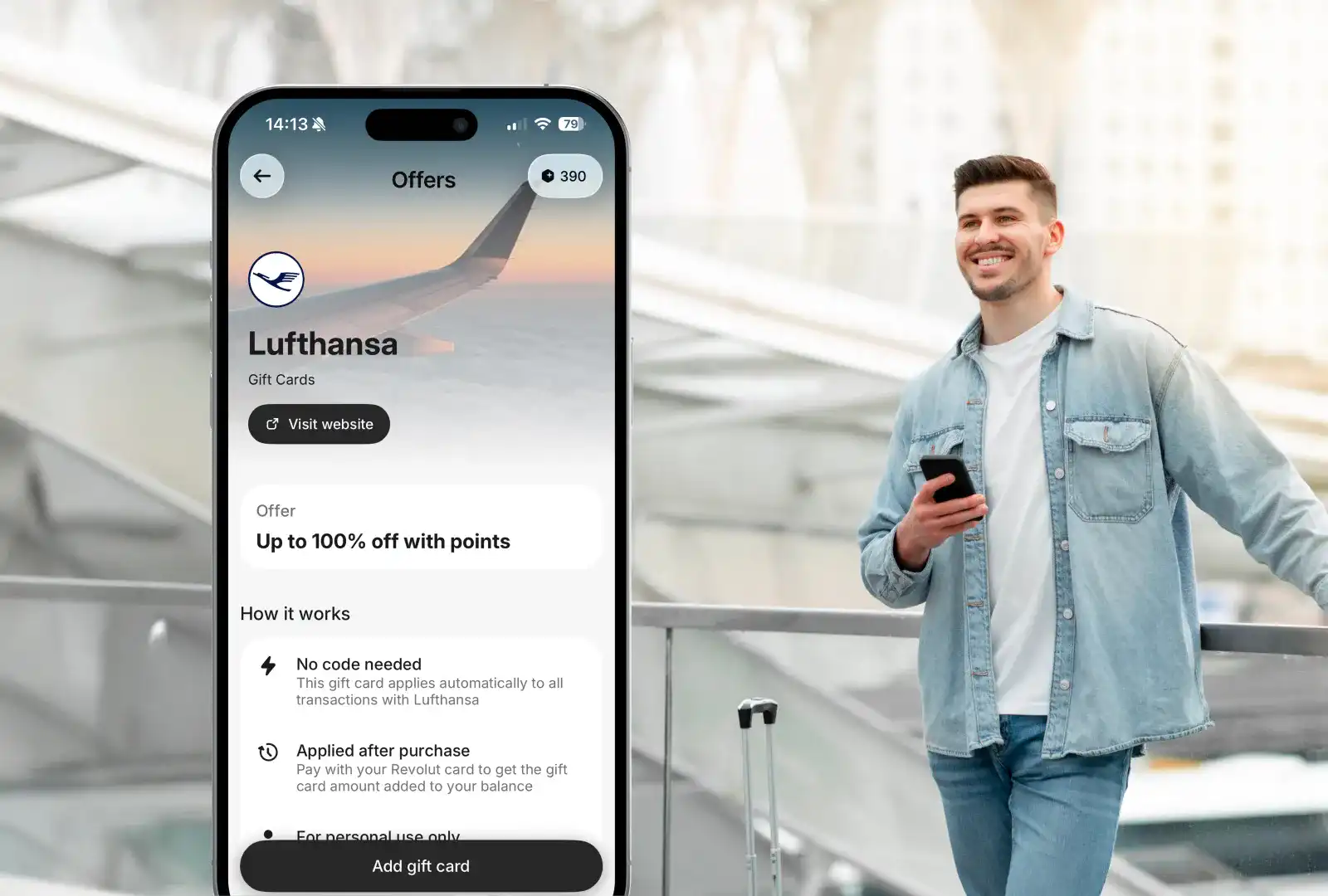
Card-linked offers that behave like performance media. Offer sits in the banking app, user activates once, cashback tracks automatically at purchase. Less friction, more usage. Issuers like it because it retains cardholders and boosts app engagement.
Experience clean-up. Clear merchant names and logos cut disputes and support load. Networks have pushed on enhanced merchant display; enrichment makes it readable and trustworthy.
Where retailers use it
Acquisition with receipts. Target people who buy in your category but not with you. Measure the switch with a verified tender.
Reactivation with a clock. If spend goes dark for 60 days, trigger a voucher or cashback ladder.
Upsell with context. Laptop this week; accessories next week; warranty at month one. The cadence is in the ledger.
Holiday and peak windows. Commerce media players publish seasonal spend reads across billions in transactions, which helps you prime categories before the rush.
Card-linked offers aren’t a sideshow
They’re the connective tissue between marketing and sales: real spend in, verified lift out. Studies and surveys show consumers seek rewards and will change behavior for them when the discovery and activation are easy. That’s the bar. Meet it with clean data, tight triggers, short paths, and hard measurement.
Quick playbook
- Pick one revenue moment where timing matters: lapsed return, category switch, new-to-brand.
- Wire the signals: merchant identity, cadence, last purchase, and spend thresholds.
- Launch a single CLO-anchored offer, keep it simple, and run a clean control.
- Attribute incrementality with transaction-level lift and campaign ROAS.
- Scale only after the receipts prove it.
Transaction data fills the gap because it’s the truth. It is the difference between marketing that hopes and marketing that knows.
FAQs
Transaction data is reliable because it is first-party to banks and is grounded in verified purchases (who bought what, where, or for how much). Unlike unstable cookies, it provides an accurate record of spending behaviour.
Transaction data simultaneously closes three gaps: targeting (building precise audiences based on verified spend), timing (hitting customers at the moment of a habit or need), and proof (tracking an auditable funnel to measure incremental revenue and ROI).
Banks utilise this data to react to real money habits, enabling them to chain events and target specific needs, such as recommending investment products to regular savers or premium cards to frequent travellers.
It enables smarter campaigns such as acquisition with receipts (targeting competitor spenders) and reactivation with a clock (triggering offers after a spend goes dark). This results in smaller, cleaner audiences with higher activation.


Marketing professional with B2B, fintech, e-commerce, and retail experience. She connects banks and retailers through data-driven personalization and commerce media, turning complex topics into engaging stories.
